01The First Four Weeks: Walking Is Work
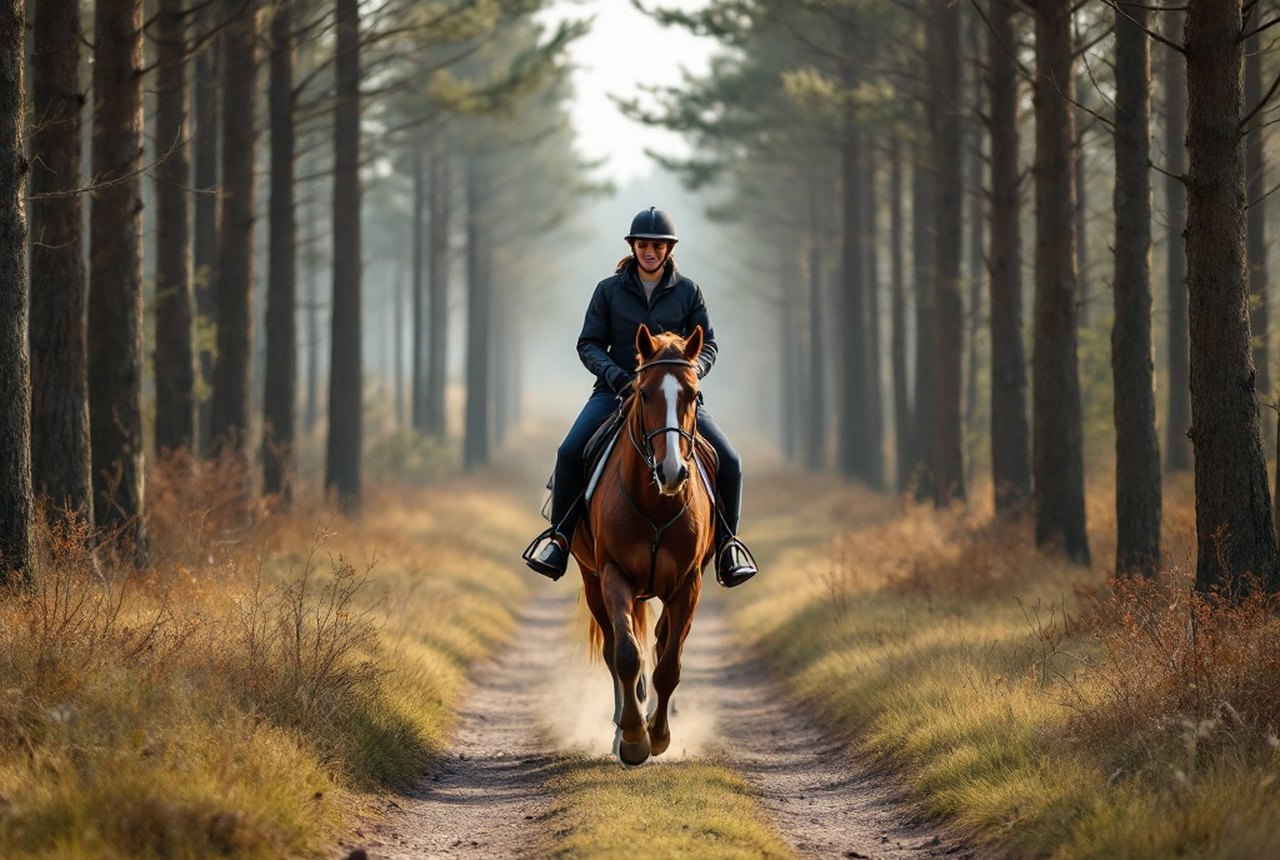
Resist every instinct that tells you walking is not proper riding. At the start of reconditioning, it is the only riding — and it is a physiological intervention as deliberate as any programme prescribed by a sports veterinarian. Begin with twenty to thirty minutes of continuous walking on firm, even ground. Day one. No trot, no canter, no excuse.
Over the first fortnight, extend the walking sessions gradually — by five minutes every three or four days is a reasonable rule of thumb — aiming to reach forty-five minutes to an hour of active, forward walk by the end of week two. Active is the operative word: a horse ambling with a loose rein in a half-doze is less useful than one moving forward from the leg with engagement through the back. Even in walk, you are asking the postural muscles to begin loading again. Hillwork is your ally here. Gentle inclines increase the muscular demand without the concussive impact of faster paces, and the pays basque foothills and the undulating countryside of the Périgord offer exactly the kind of varied terrain that makes this work genuinely productive.
From week three, you can begin to introduce short periods of trot — five minutes initially, broken into two or three bouts within the session. Keep canter entirely off the table. Monitor the trot transitions: a horse that feels uneven or reluctant to move freely forward on one rein is telling you something. Listen before you push.
02Weeks Five to Eight: Building the Engine
By week five, assuming the horse has moved soundly and without heat or swelling in the legs throughout the first month, you can begin to treat sessions more like genuine training rides. Trot work can extend to fifteen to twenty minutes total per session, and you may introduce the first short canter — a few minutes on a good surface, well balanced, nothing demanding. For horses returning to disciplines such as saut d'obstacles (show-jumping) or concours complet (eventing), this is still not the moment for fences. Poles on the ground, cavaletti at their lowest setting, gymnastic exercises in walk and trot — these rebuild proprioception and rideability while keeping the soft-tissue demand manageable.
This second month is also when you start to differentiate your programme by discipline. Horses preparing for endurance work benefit from longer, steadier hacks rather than arena sessions — and the marked trail networks throughout Nouvelle-Aquitaine, some waymarked through the Fédération Française d'Équitation's national trail system, give endurance riders an ideal resource. Dressage horses need to re-establish suppleness and responsiveness before collection is sought; asking for lateral work or medium trot too early rewards you with tension and resistance, not the soft contact you need for the judge.
Throughout this phase, check the legs before and after every session. A leg that stocks up overnight is not unusual in a horse returning to work, but heat that persists into the following morning, or swelling that is firm rather than soft, is a reason to pause and call your veterinarian.
03Feeding the Returning Horse
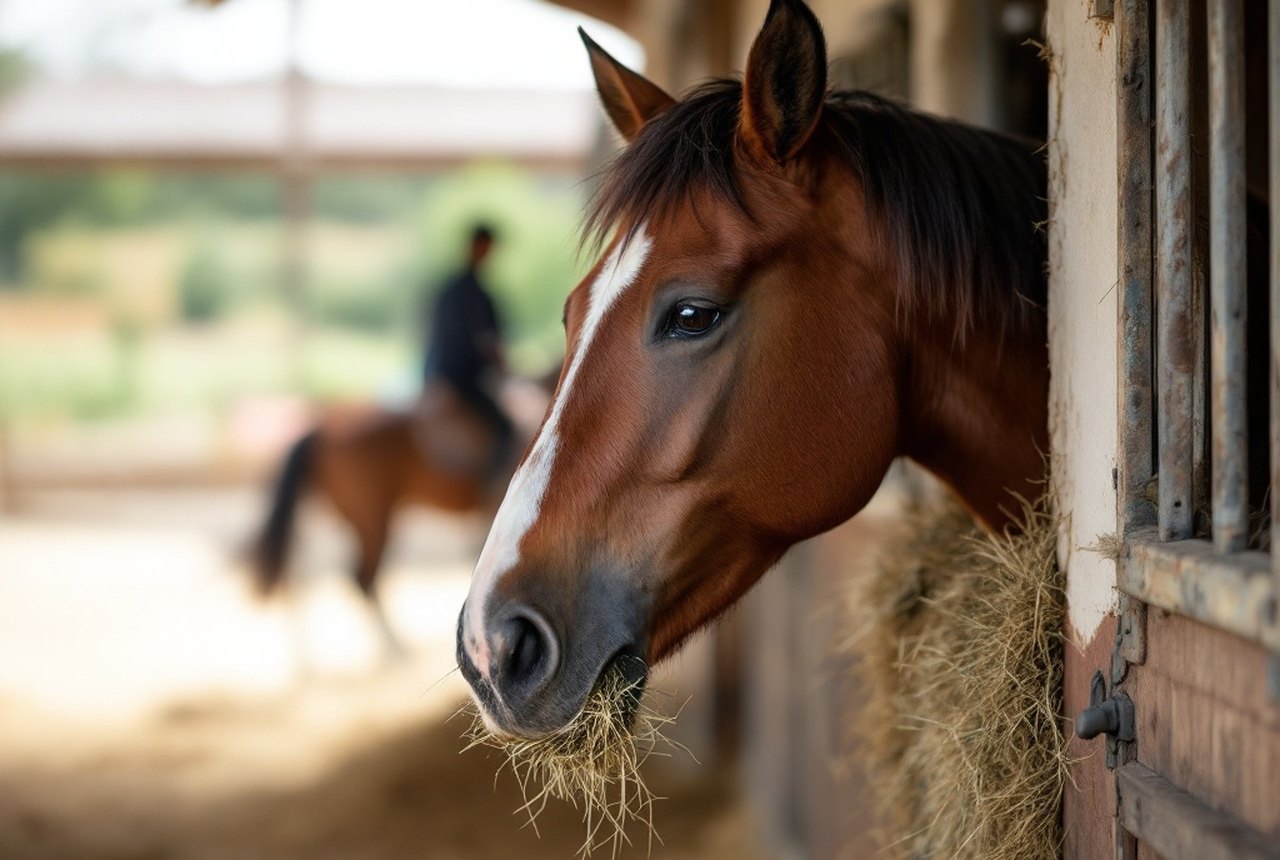
Nutrition must track the workload — not lead it, and not lag behind it. Many horses emerge from winter on a diet calibrated for light or no work: good forage, perhaps a balancer, lower-energy hard feed or none at all. As conditioning work begins, forage remains the cornerstone. The horse's digestive system adapts to dietary change slowly, and sudden increases in starch-rich concentrate feed are a known trigger for digestive disturbance and, in predisposed animals, laminitis. Introduce any additional energy feeds gradually, over two to three weeks, and always maintain forage intake at a minimum of 1.5 percent of bodyweight per day in dry matter.
For horses in moderate work by weeks six to eight, additional energy can come from oil (high in calories, low in starch) or from quality fibre-based feeds before you reach for cereal-heavy performance mixes. If your horse carries condition from winter rest — common after mild Gascon winters when pasture quality remains reasonable well into January — be especially conservative. A horse working off a little stored fat is not failing; it is giving you a margin. Keep condition monitoring consistent, using a body condition score approach rather than relying on visual impression alone, which is notoriously subject to wishful thinking.
04Avoiding the Mistakes That Cost Seasons
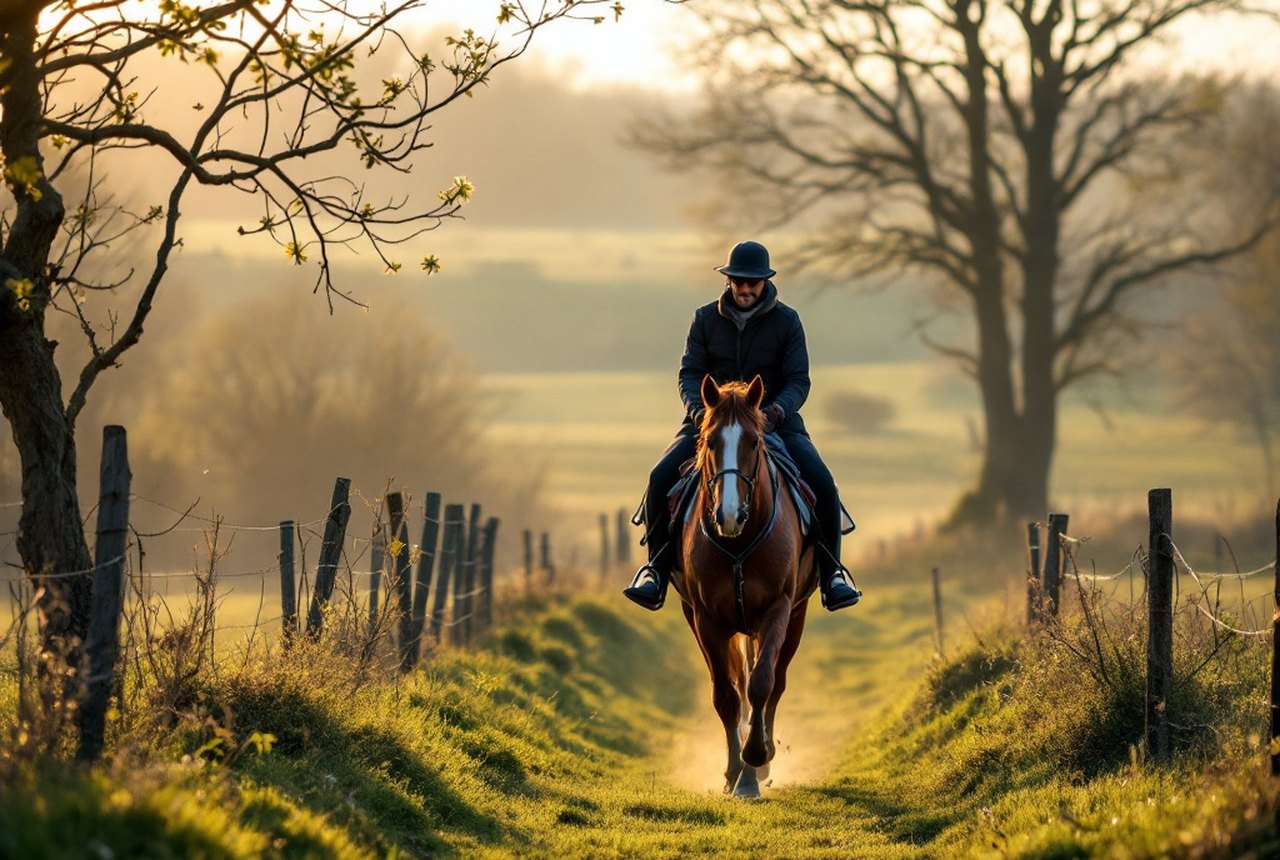
The most common reconditioning error is not malice but impatience: a good week prompts a jump in intensity, a dry weekend tempts an hour-long blast across the Landes heath, and the programme that was working beautifully is blown apart by a single moment of misjudgement. Build in rest days — two or three per week in the early phases — and treat them as active components of the programme rather than lost time. Muscle and connective tissue adaptation happens during recovery, not during work.
The second major error is ignoring early warning signs. Heat in a tendon, a subtle unlevel gait at trot, a horse that begins flinching away from grooming on one side of its back — these are communications, not inconveniences. The network of equine veterinarians across Nouvelle-Aquitaine is extensive; getting a professional eye on a concern early is dramatically cheaper in time, money and heartache than managing a full soft-tissue injury through the competition season.
Finally, remember that mental reconditioning matters as much as physical. A horse that has been out of ridden work for months may feel fresh, sharp or simply surprised by expectations it has partially forgotten. Ride with clarity and softness, be generous with praise, and allow the trust between horse and rider to rebuild at its own pace. The season will come — and a horse that arrives at its first competition genuinely ready, rather than just fit enough, is one you can ride with confidence all the way through to autumn.