From Arcachon's sandy forest trails to the CSO arenas of the Gironde, the difference between a good result and a great one may come down to four carefully shod hooves.
01Three Ways Footwear Shapes Performance
The influence of the horseshoe (or protective boot used in certain disciplines) operates across three distinct, interrelated areas.
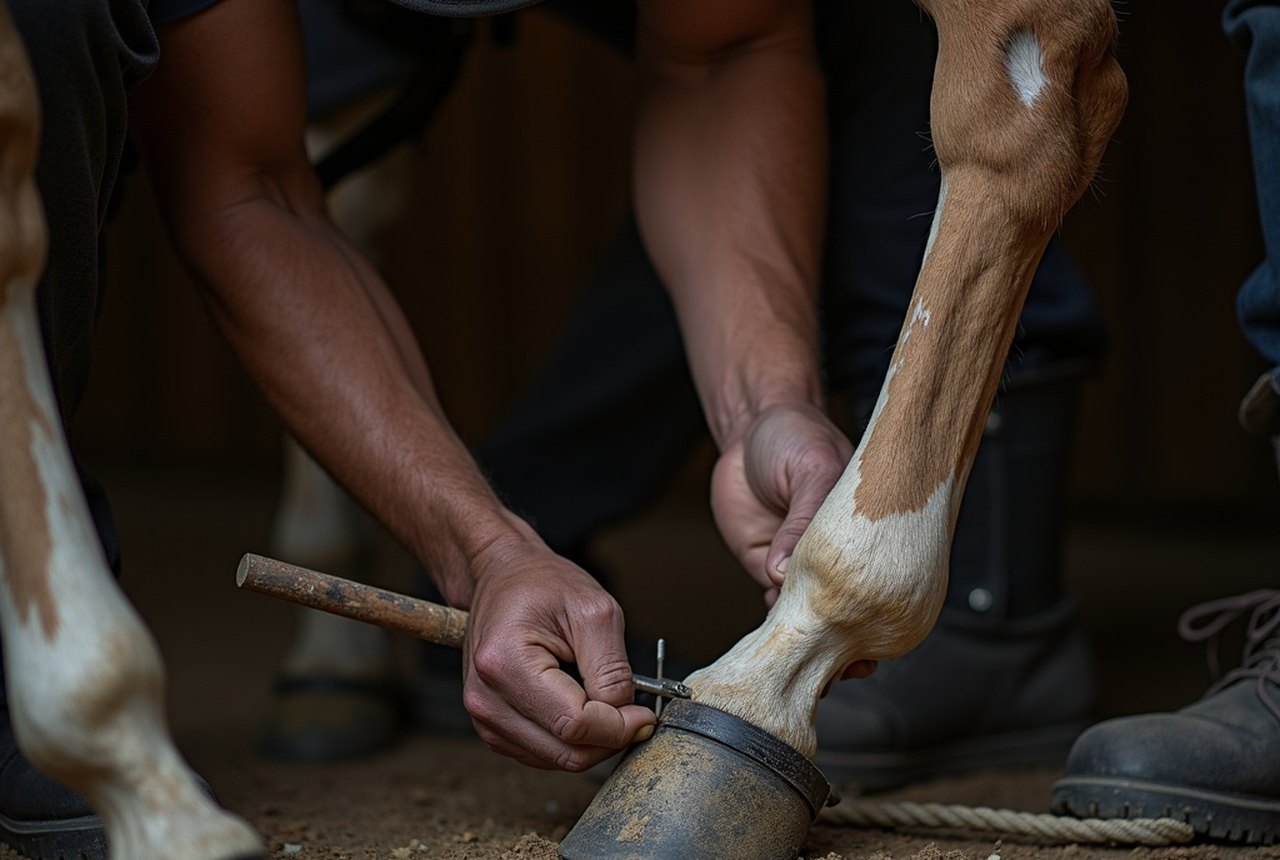
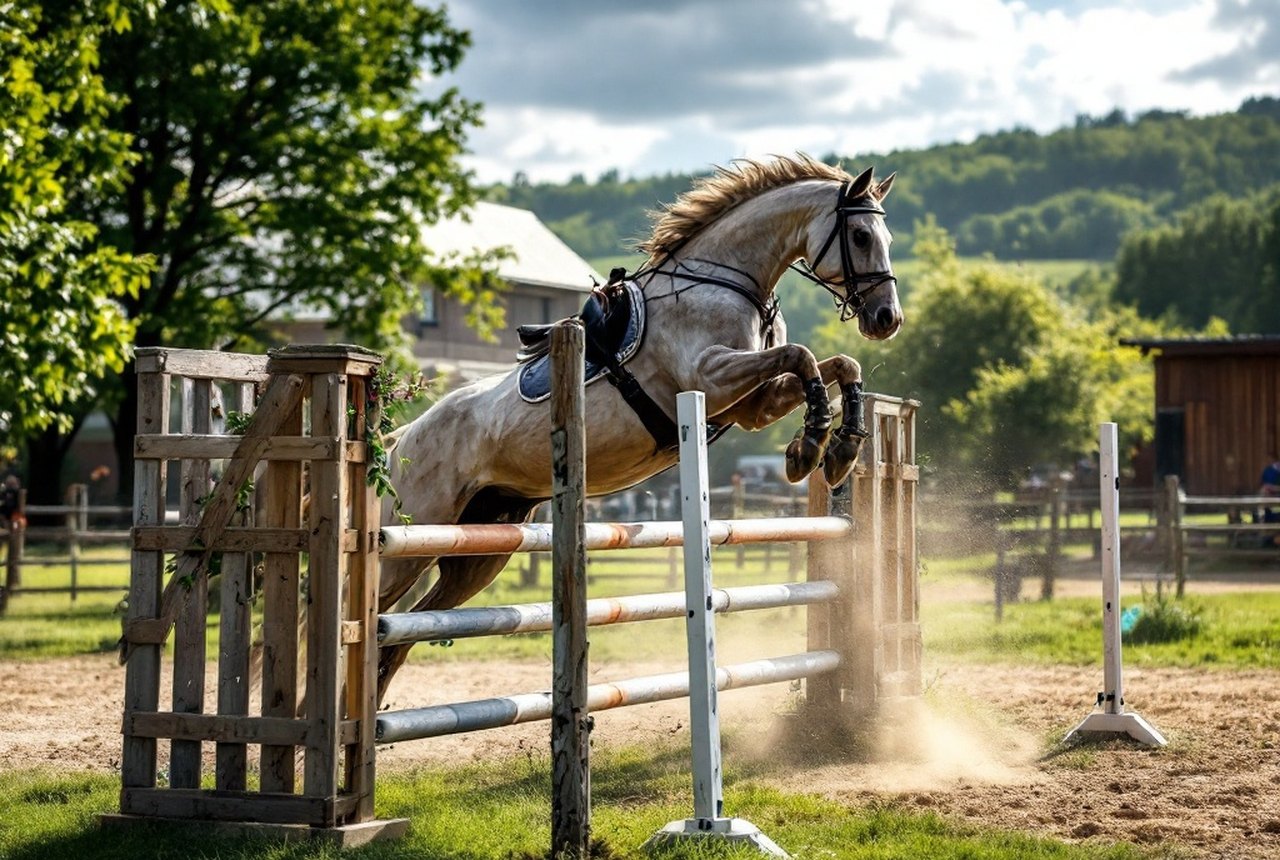
Shock absorption and tissue protection. Competition surfaces deliver relentless concussive force upward through a horse's limbs. On a show-jumping course — a CSO (concours de saut d'obstacles) — a horse may land from a fence with a force of several times its own body weight concentrated through two front hooves. Over a full course of twelve or fifteen obstacles, that accumulates. A well-chosen shoe or boot cushions that stress, distributing impact rather than channelling it into the hoof wall, the digital flexor tendons, and the navicular apparatus. Rubber pads, synthetic sole inserts, or purpose-made competition boots with reinforced strike pads can meaningfully reduce fatigue and the risk of soft-tissue injury — the kind of slow-building damage that does not lame a horse outright but progressively degrades its movement and willingness over a season.
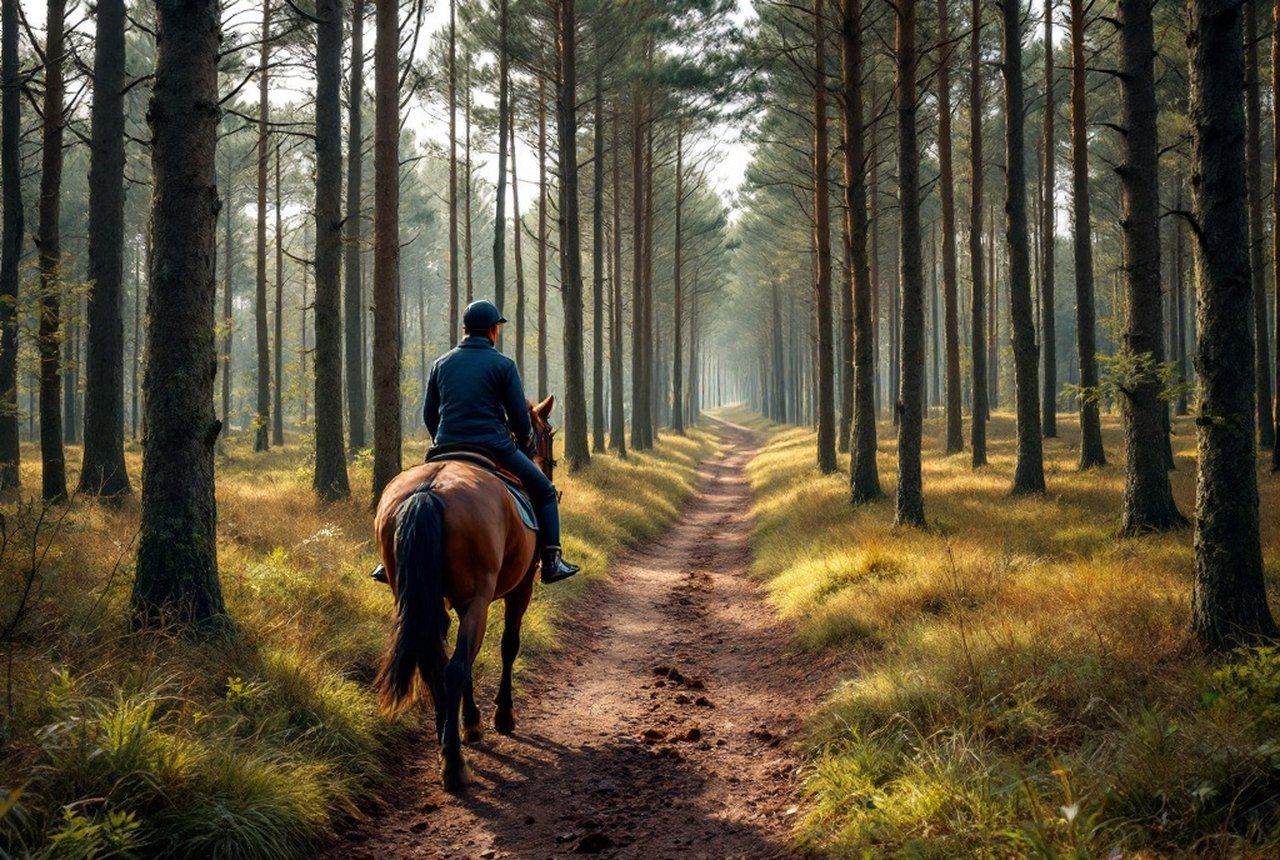
Speed and agility. Weight is not a trivial variable. A heavier shoe requires the horse to expend more energy with every stride simply to lift its own feet. Over a three-day concours complet (eventing), or a 90-kilometre FEI endurance ride — a discipline for which the pine forests and river valleys of the Landes are magnificent terrain — that additional metabolic cost compounds relentlessly. Modern aluminium alloy plates, used widely in racing and increasingly in elite jumping, demonstrate that the old trade-off between protection and lightness need no longer be accepted. The materials science has moved on; the farriery thinking sometimes has not.
Comfort and responsiveness. A horse in discomfort does not switch off entirely — it compensates. It shifts weight, shortens stride, braces subtly against contact. The rider may sense something is not quite right without being able to name it; the judge's score reflects it regardless. This is particularly significant for horses returning from injury, where ill-fitting or inappropriate footwear can undo weeks of careful rehabilitation in a single hard session. A boot that pinches, sits unevenly, or restricts tendon movement around the fetlock is not protecting the horse — it is creating a secondary problem while appearing to address the first.
02Choosing the Right Shoe for Discipline and Ground
There is no universal answer, and anyone who tells you otherwise is probably selling something. The right choice depends on an honest assessment of three variables: the discipline, the ground conditions, and the individual horse's physical history.
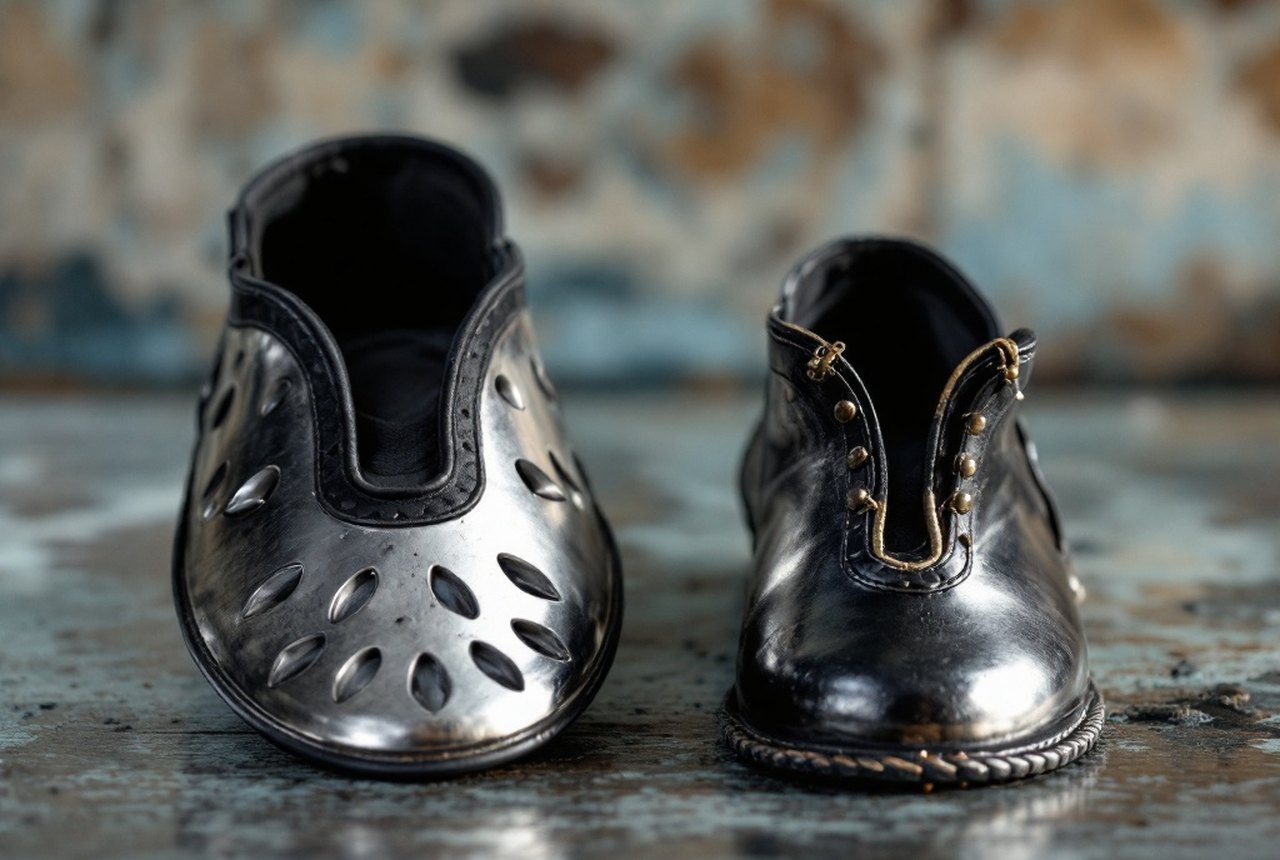
A showjumper competing regularly on the manicured grass and sand arenas of the Gironde circuit needs shoes that combine grip and shock absorption, with enough purchase on varying going to allow bold, confident take-offs. Stud holes — threaded sockets that allow interchangeable screw-in road studs or grass studs — are standard equipment for serious competitors and allow rapid adaptation as ground conditions shift through a competition day. An endurance horse, by contrast, demands something different again: a shoe that is light enough not to add unnecessary fatigue over many hours, durable enough to withstand abrasive terrain, and fitted with enough precision that it will not shift or pull in deep going on the latter stages of a ride.
For dressage, where the quality of movement is everything and the horse's way of going must be fluid, elevated, and through, the added weight and interference of an ill-fitted boot can introduce exactly the tension and restriction that the entire discipline works to eliminate. Many dressage riders prefer to compete barefoot or in minimal steel shoes with careful attention to balance — the relationship between toe length, heel height, and break-over point is something a skilled farrier and a knowledgeable rider should discuss together, not separately.
The material must withstand repeated impact without deforming or losing its structural integrity mid-competition. The weight should be as light as the required level of protection allows. And fit must be treated as seriously as fit in any other piece of tack: snug enough to stay secure, precise enough not to restrict circulation through the digital vessels, and balanced correctly across all four feet. Remember that each of the four hooves carries its own portion of the horse's weight and generates its own loading pattern — what fits the left fore perfectly may need adjustment at the right hind.
03Before the Start Flag: A Pre-Competition Checklist
The time to think about footwear is not on the morning of a competition. In the weeks before an event, riders should schedule a consultation with their farrier that goes beyond routine re-shoeing. Bring your competition calendar, be honest about the surfaces you expect to encounter, and discuss any changes in the horse's movement, any recent veterinary treatment, and any ground conditions you know will feature at your target events.
At the FFE (Fédération Française d'Équitation) affiliated competitions that make up the regional circuit here in Nouvelle-Aquitaine — from local club concours to the higher-level qualifiers — presentations include a trot-up or vetting element in which soundness is assessed. A horse showing even subtle irregularity attributable to footwear issues will not pass. Beyond the formal checks, however, think of the pre-competition farriery review as part of the same preparation logic that covers vaccination records, equipment checks, and fitness work. It belongs in the schedule, not as an afterthought.
In a region where the equestrian landscape ranges from beach rides along the Côte d'Argent to serious affiliated competition, where the Galop progression system rewards horses and riders who develop together methodically and honestly, the lesson is consistent: every detail of preparation matters, from the first lesson at a club hippique to the start box of a concours complet. The hoof beneath that horse is where every stride begins. Treat it accordingly.