01How the French System Works: Galops and Licences
Before you walk through a club's gate, it helps to understand the structure you are joining. The FFE oversees all equestrian disciplines in France — dressage, saut d'obstacles (show jumping/CSO), concours complet (eventing), endurance, and more — and administers a national rider progression system built around the Galop levels.
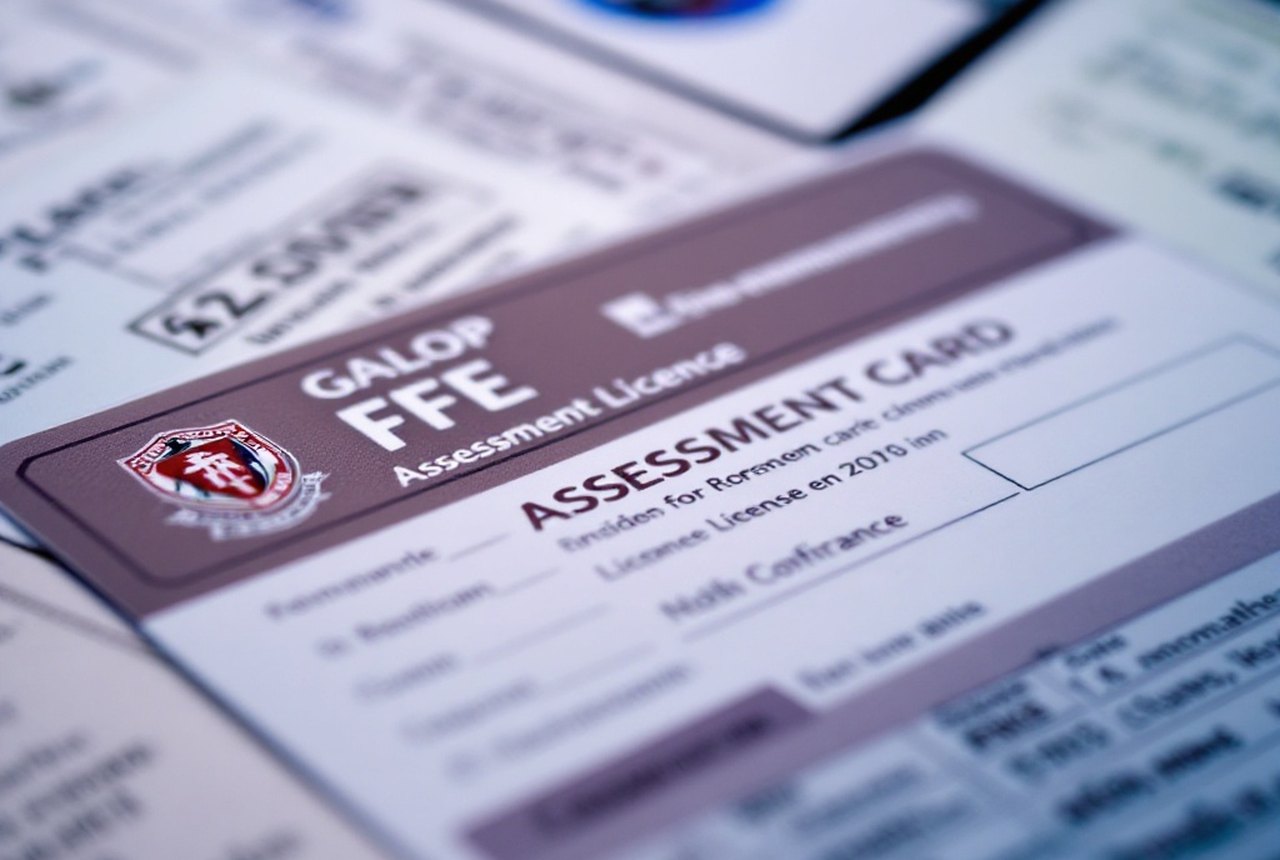
Galop 1 is where almost everyone starts: basic position, stop, start, walk, rising trot. By Galop 7, a rider is expected to be competent across multiple disciplines and ready to enter affiliated competition. The levels are assessed formally, which means your progress is recognised wherever you ride in France — your Galop 3 achieved in a club near Arcachon is the same Galop 3 a club in Périgueux will recognise. This portability matters if you move, travel, or change clubs.
To ride at an FFE-affiliated club and enter any official competition, you will need an FFE licence. This is an annual membership taken through your club rather than directly from the federation, and it provides both competition access and third-party liability insurance — a legal requirement for riding in France. Many clubs offer a day or introductory licence for visitors wanting to try a session before committing. Costs vary by club and licence category; your club's secretariat will walk you through the options. Children and young riders are also catered for through structured youth programmes, and the Pony Club stream within many clubs runs its own adapted Galop pathway, making the system genuinely accessible from a very young age.
02What a Good Club Actually Offers
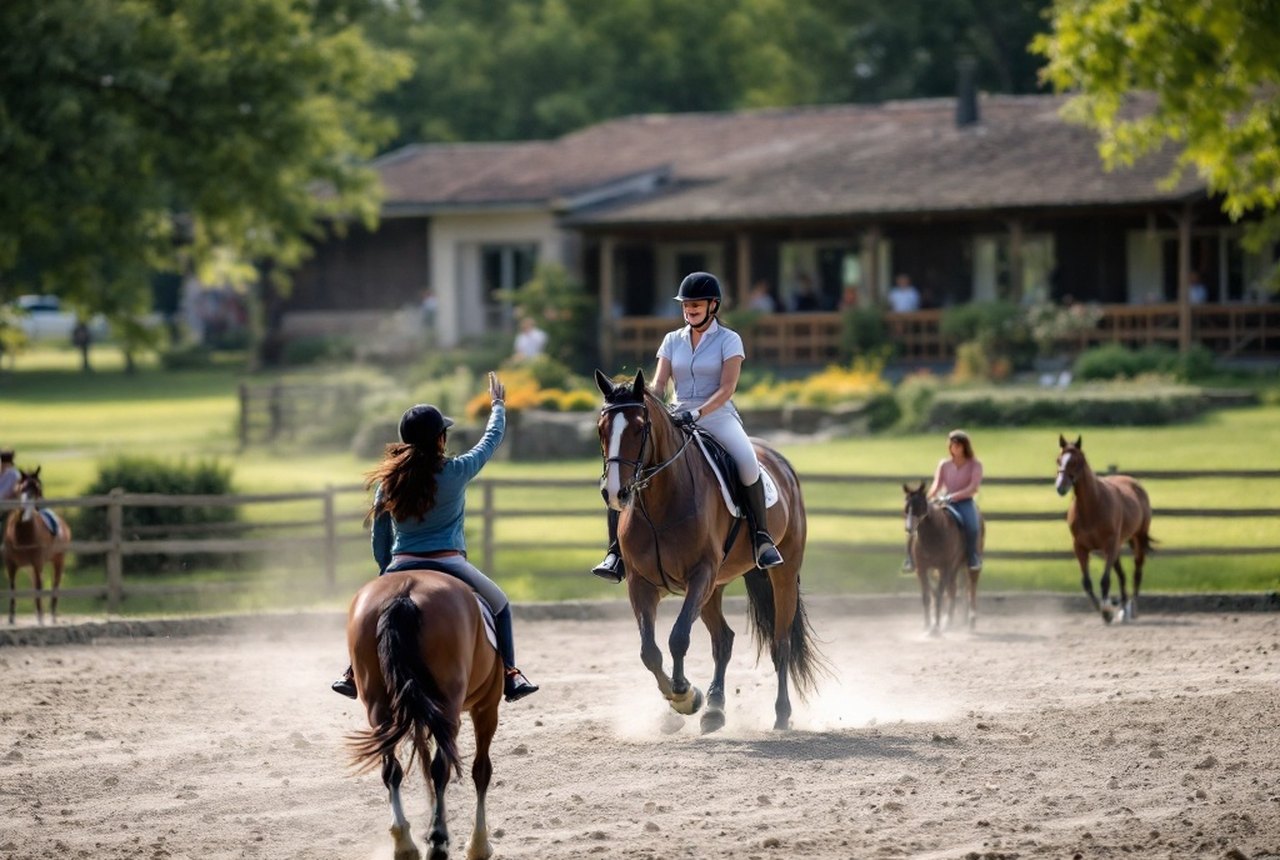
The headline offering — lessons — is only part of what separates a good club from a great one. Coached group sessions and private lessons form the backbone of your progression, but the supporting infrastructure matters just as much. Look for clubs with qualified instructors holding a BPJEPS (the state equestrian teaching qualification), maintained arenas — ideally both an indoor manège for winter and outdoor working space for summer — and horses whose health and temperament are taken seriously.
Horse welfare is an honest indicator of a club's overall quality. A yard where horses look well-groomed, move freely, and behave calmly around beginners is a yard where the basics of horsemanship are understood and practised. Pay attention, too, to biosecurity — responsible clubs maintain clear protocols around vaccination, quarantine for new arrivals, and the management of contagious conditions such as equine rhinopneumonia, a herpesvirus respiratory disease that spreads rapidly in stable environments. A club that talks openly about its health procedures is one that has nothing to hide.
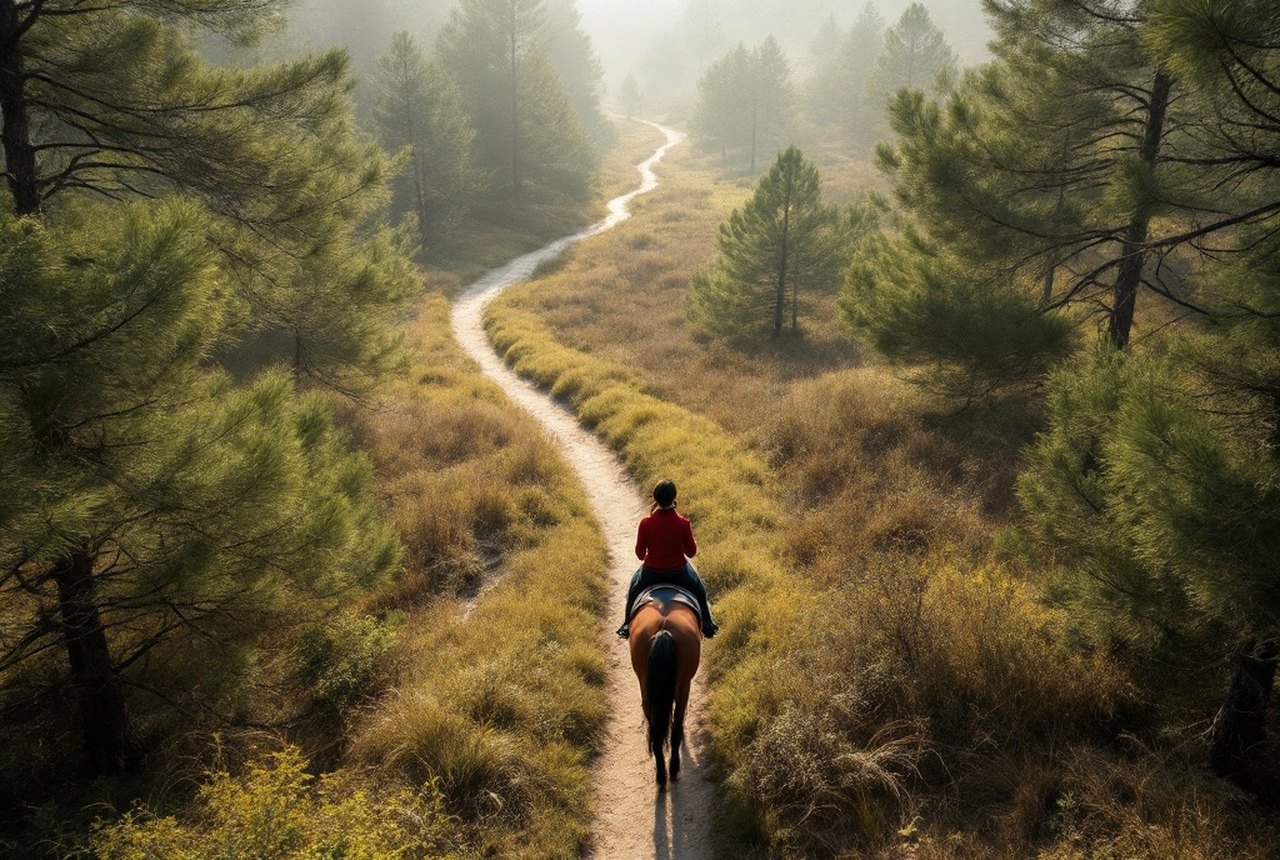
Beyond the arena, the best clubs build a genuine equestrian community. That means access to guided treks across the local countryside — in Nouvelle-Aquitaine, this can mean pine-forest tracks in the Landes, Atlantic dune paths near Capbreton, or vineyard lanes in the Saint-Émilion countryside — as well as regular small competitions, club days, and the kind of informal knowledge-sharing between riders that no structured lesson can fully replicate. If you are new to France or to riding, this social fabric is worth as much as the coaching.
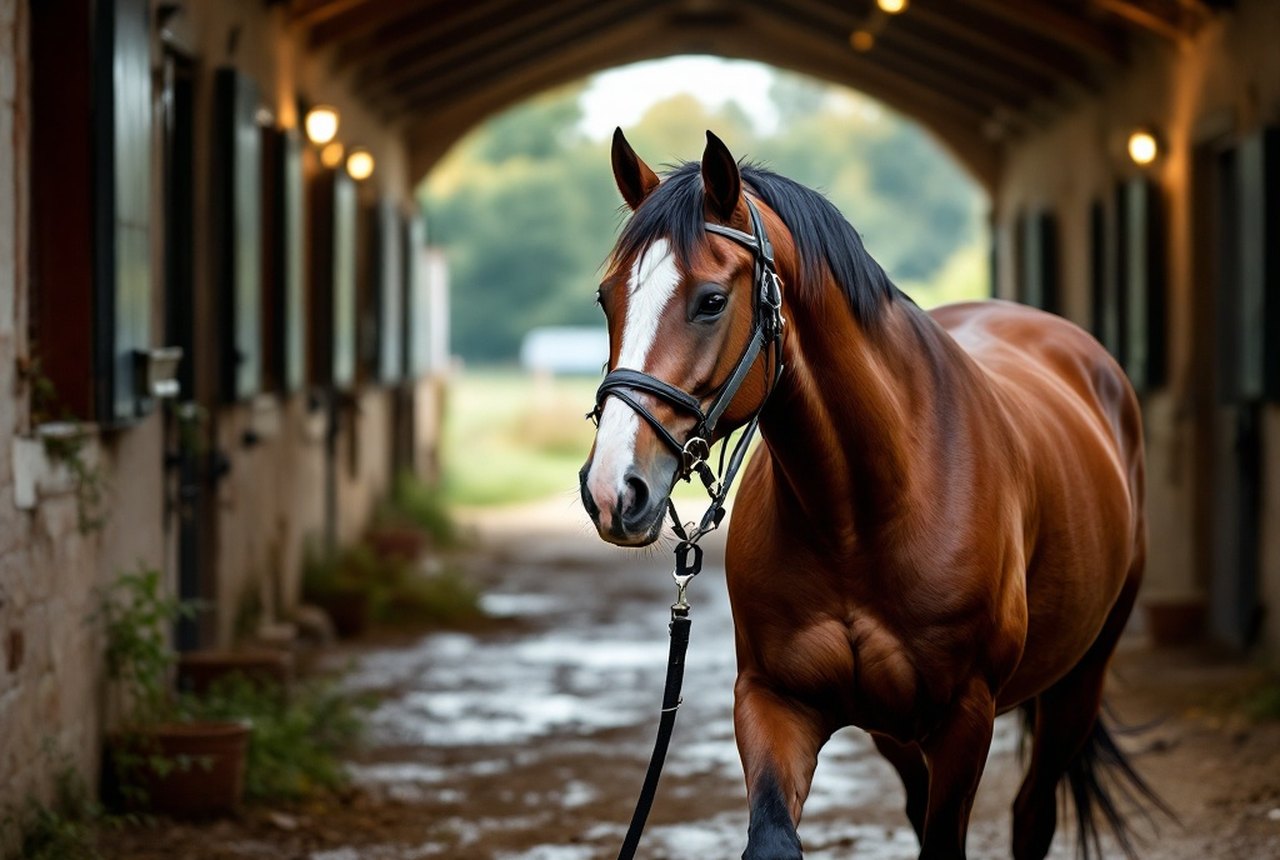
The right club, in the end, is the one where you feel both challenged and supported — where the horses are well and the instructors are honest about your weaknesses.
03Finding and Choosing Your Club
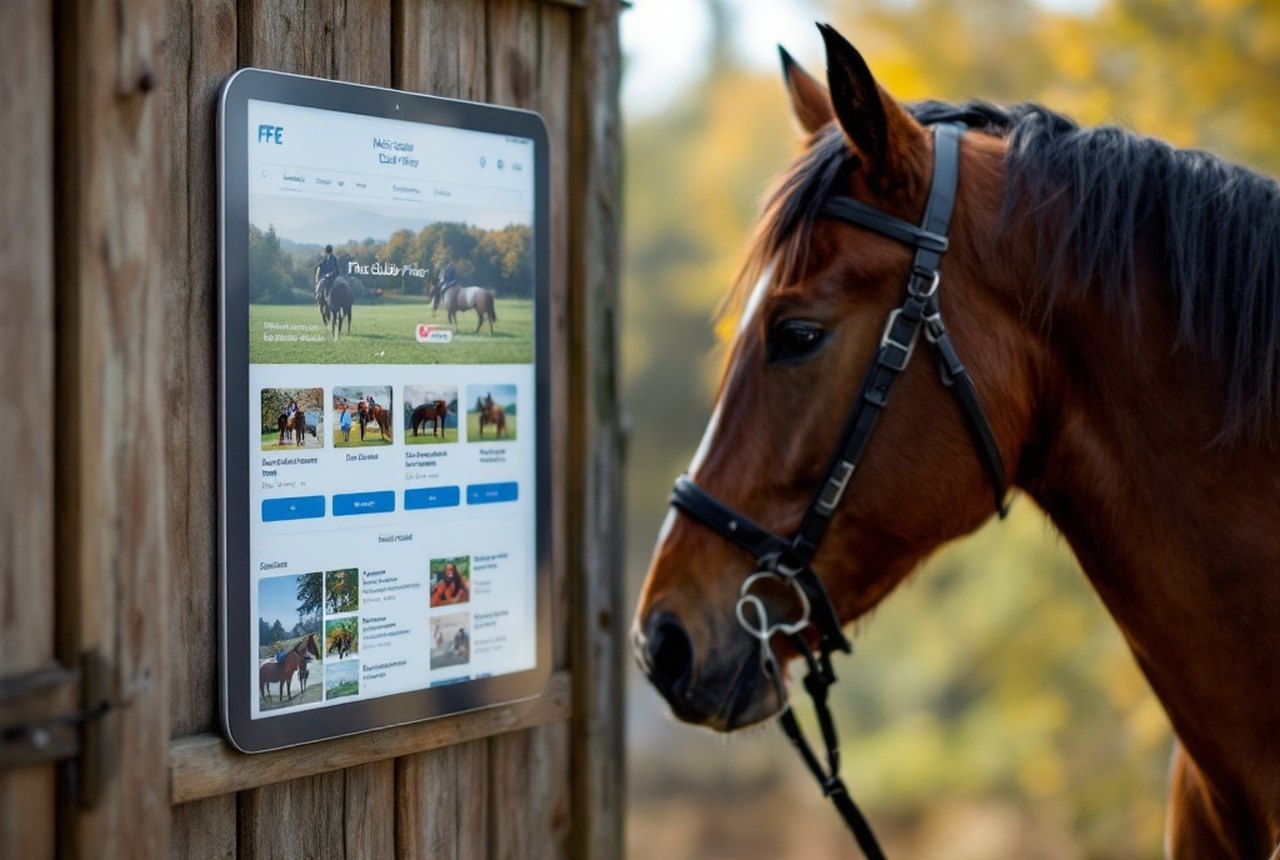
The most reliable starting point is the FFE's own online directory, searchable by postcode, which lists every affiliated club in France with contact details and current accreditation status. Enter your location and you will have a shortlist of verified options within a few clicks. That shortlist will almost certainly surprise you with how many clubs exist in your area — Nouvelle-Aquitaine is home to hundreds of affiliated establishments, from large multi-discipline centres near Bordeaux and Pau to small, characterful family yards tucked into the Dordogne valley or the Basque foothills near Biarritz.
Once you have your shortlist, the next step is simple: visit in person. No website photograph or online review tells you as much as thirty minutes spent watching a lesson and talking to the instructors and other riders. Ask what disciplines the club focuses on, what the waiting times are for lessons at your level, how the Galop assessments are run, and what a full-year membership realistically costs including the FFE licence. Most well-run clubs welcome prospective members warmly and will offer a cours d'essai — a trial lesson — so you can feel the atmosphere before you sign anything.
For younger riders or families new to the sport, look specifically for clubs carrying the FFE's Poney Club or Club Cheval label — quality marks that indicate structured youth programming and appropriate horse welfare standards for beginner riders. For those already riding at Galop 5 and above who want competitive access, check whether the club fields teams for concours (competitions) at local and regional level, and how regularly its riders appear on the regional competition calendar. Nouvelle-Aquitaine has an active regional circuit across all the major disciplines, and a club with genuine competition culture will prepare you far better than one that only pays lip service to it.
In a region as rich in equestrian tradition as this one, you should not have to settle for anything less than a club where you feel both challenged and supported.