01Why the French Competition Circuit Is Particularly Vulnerable
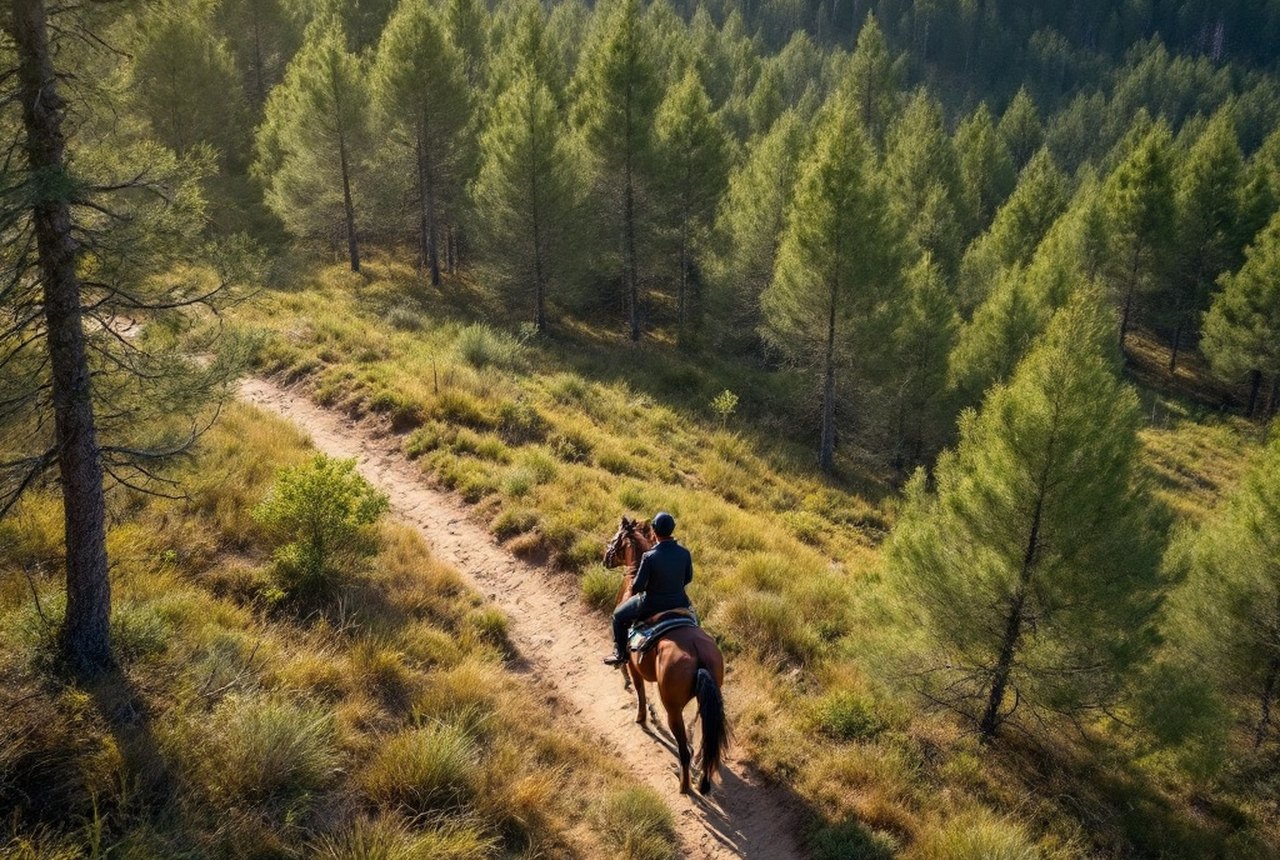
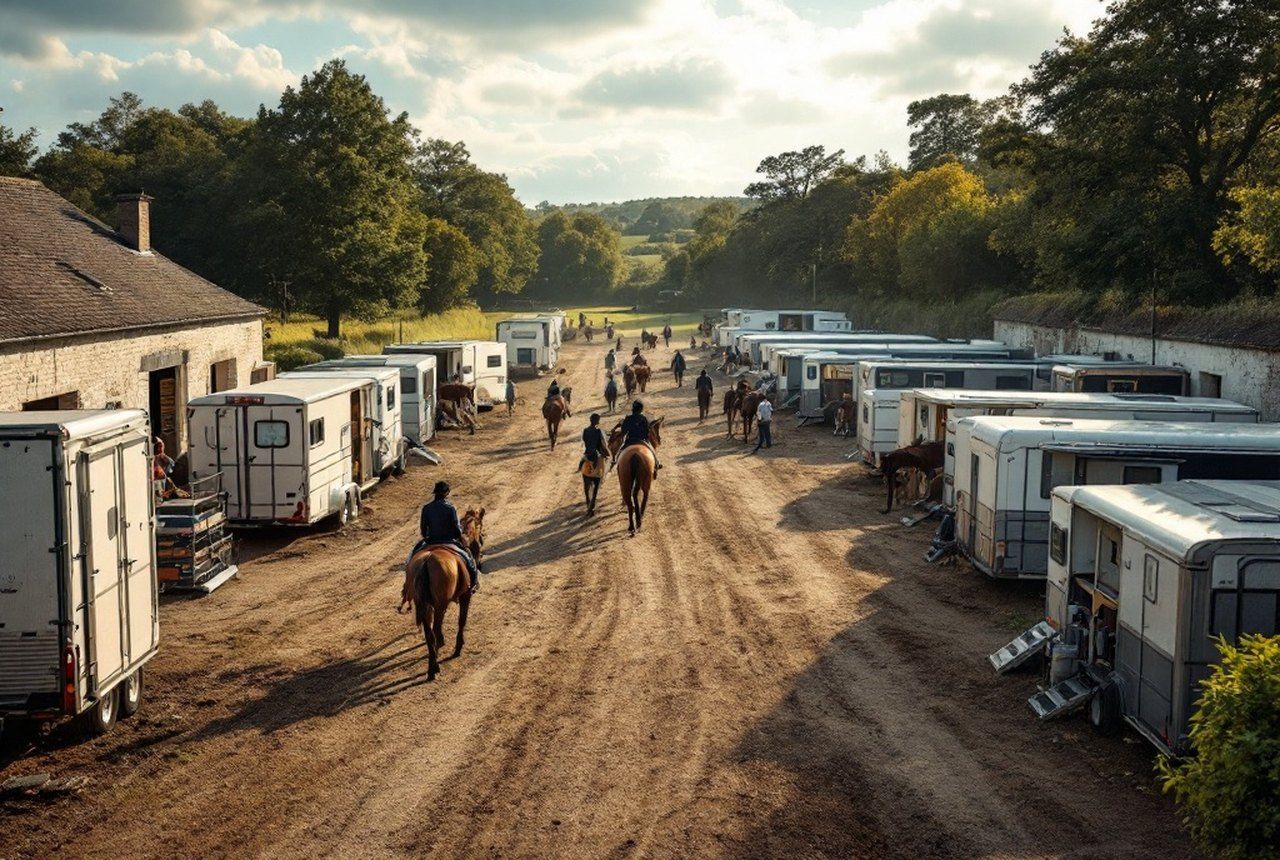
Nouvelle-Aquitaine is one of France's most active equestrian regions. From the show-jumping arenas of the Gironde to the endurance trails threading through the Landes forest — the longest stretch of maritime pine forest in Europe — and the concours complet terrains of the Dordogne and Béarn, horses here travel constantly. They load into trailers to compete at club level under the FFE's regional programme, they gather at multi-day events where stabling is shared, and they return home carrying whatever microorganisms they encountered along the way. It is a system optimised for horse sport and, unfortunately, also quite efficient at moving respiratory viruses between yards.
The disruption that rhino-pneumonia causes to this circuit operates on three compounding levels. First, the breeding pipeline. When senior competition horses retire through age or injury, the yards and families that run them depend on well-prepared young horses to replace them. An outbreak that moves through a foal cohort during a critical developmental window does not just cost the immediate season — it creates a shortage of competition-ready animals that may only become apparent two or three years later, when those horses would have been making their debut on the regional calendar.
Second, and more visibly, there is the problem of last-minute withdrawals. Equine rhino-pneumonia can incubate and then accelerate rapidly; symptoms that were absent at evening stables may be unmistakable by the morning of a concours. A single horse withdrawn on health grounds can be absorbed by a well-organised event. Multiple withdrawals — which happen when several horses have shared transport, stabling, or even water troughs — can strip an event card of entries to the point where competition becomes unviable.
Third, and most insidiously for the health of the regional circuit as a whole, repeated outbreaks are financially punishing. Treatment for equine pneumonia — veterinary fees, medication, extended box rest, potential hospitalisation — is not cheap, and for smaller clubs hippiques operating on tight budgets, even a single serious case can dent the finances that fund lessons, maintain arenas, or cover the FFE affiliation costs that keep a club's members licensed and competing legitimately.
02Biosecurity at Competition Venues: The Regulatory and Practical Picture
Under French law and FFE competition rules, organisers of affiliated events are required to implement baseline health and biosecurity protocols. These typically include a veterinary presence or on-call arrangement at larger events, requirements for horses to be accompanied by up-to-date vaccination records (vaccination against equine influenza is compulsory for FFE competition; combined EHV vaccination is strongly recommended and increasingly standard practice), and provisions for isolating any animal showing clinical signs during an event.
What the rulebook cannot mandate is the culture of vigilance that makes those provisions meaningful. Experienced yard managers in the Pyrénées-Atlantiques and the Gironde will tell you the same thing: biosecurity begins at home, not at the showground. Horses returning from any competition should ideally be kept separate from the main yard population for several days and monitored for fever and respiratory symptoms before rejoining communal stabling. Water buckets, feed equipment, and tack should not be shared between horses from different yards at competition venues — a simple rule that is observed inconsistently even at well-run events.
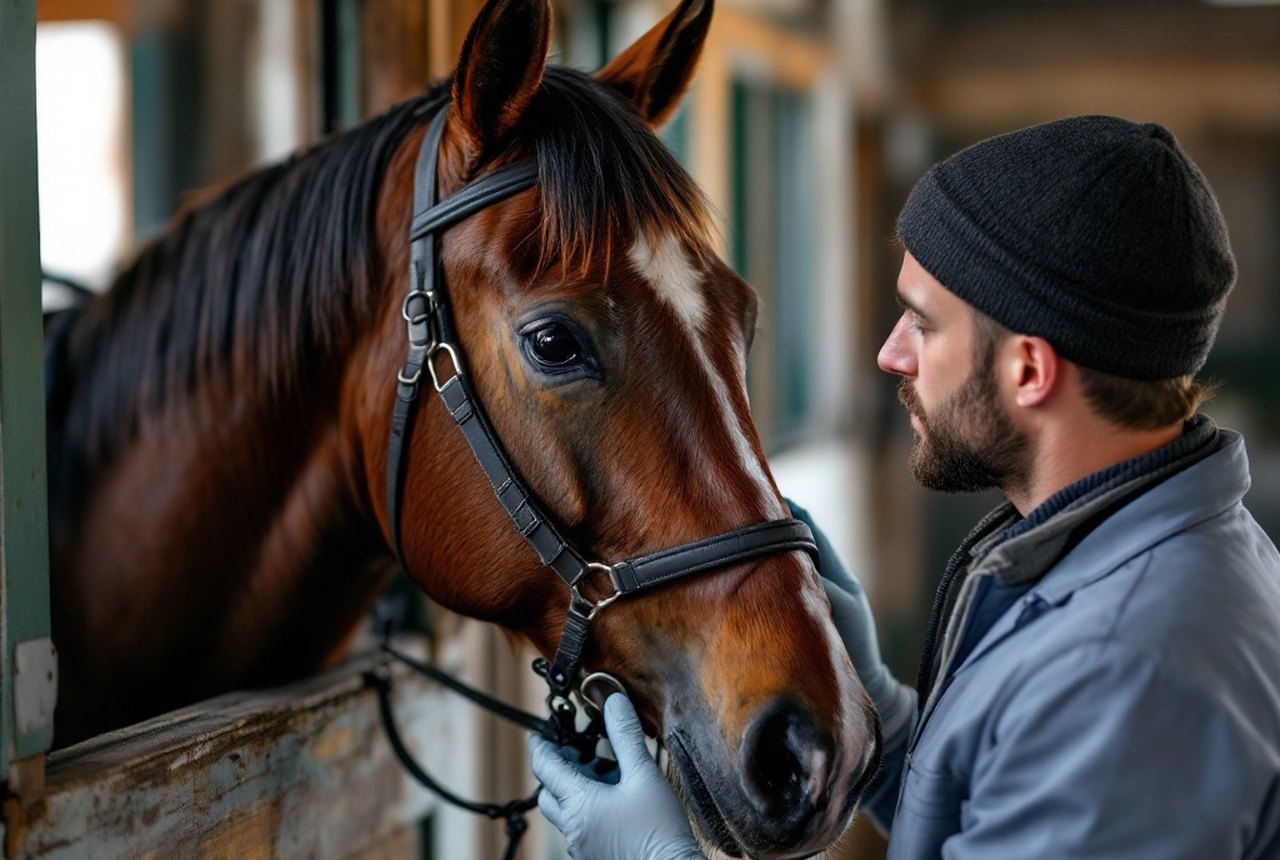
Veterinary screening — not reactive treatment after symptoms appear, but routine scheduled checks integrated into a horse's competition preparation — is the most effective safeguard available. A veterinarian familiar with a horse's baseline temperature, respiratory rate, and general condition will detect early deviation far more reliably than an owner who sees the animal daily and may unconsciously normalise gradual decline.
03What Riders and Owners in Nouvelle-Aquitaine Should Do Now
If you compete under FFE licence — whether you are working through the Galop progression levels at your local club hippique or preparing a horse for regional dressage or saut d'obstacles — there are practical steps worth taking before the next season's competition calendar fills up.
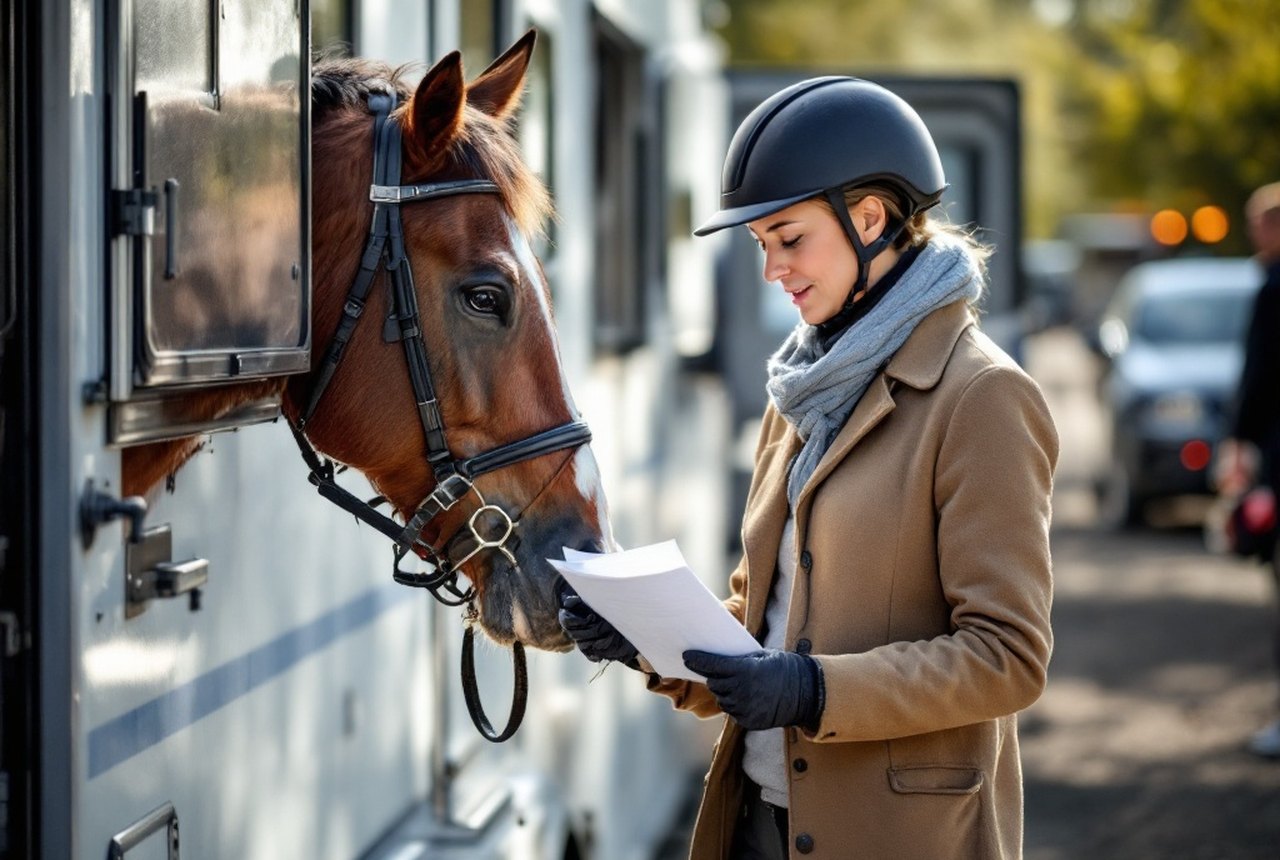
Review your horse's vaccination record with your veterinarian and ask specifically about EHV vaccination coverage alongside the compulsory influenza jabs. Establish what your yard's isolation protocol is — not hypothetically, but concretely: which box would a symptomatic horse go to, who would be informed, and at what point would a vet be called? If you share transport with other competitors, agree in advance on the conditions under which a horse would not be loaded.
None of this is alarmist. The Atlantic south-west is genuinely fortunate in its equestrian infrastructure — in the quality of its clubs, the variety of its riding country from the Côte d'Argent dunes to the Pyrenean foothills, and the depth of a horse culture that predates the formal structures of the FFE by centuries. Protecting that infrastructure from preventable disease outbreaks is not a bureaucratic obligation. It is good horsemanship — the kind that the Cadre Noir at Saumur, the most visible embodiment of French equestrian tradition, has always placed at the centre of the art.